Who this is for.
Melbourne architects, builders, and homeowners considering Lutron control systems for a premium residential project. Usually Lutron HomeWorks for new builds, sometimes Lutron RadioRA for retrofits, occasionally Lutron Caseta for smaller renovations.
Lutron is one of the most respected names in residential lighting control globally. The brand has been making serious residential systems since 1961. Their dimmers and shading hardware are some of the best built in the industry. If you are weighing Lutron up against the alternatives, this post lays out where the platform fits in the wider Melbourne residential picture, and how we think about it at design stage.
The problem.
Lighting control on a premium residential project is one of the few decisions that lives in the wall. Once the cabling is run and the system is programmed, changing platforms means rewiring. The decision needs to hold up not just for the family’s first ten years in the home, but for any future owner, any future integrator, and any future renovation.
The brief we hear most often is the same. "We want a system that works, that we can use without thinking, and that someone else can take over if we ever sell or move."
Lutron is genuinely capable of meeting that brief. The question is how Lutron compares against the other platforms on the shortlist for the kind of project you are running. Three forces decide whether any platform meets the brief. Manufacturer roadmap. Local installer ecosystem. Integration with the front-end platforms the family will actually use.
What Lutron does well.
Three things. The hardware quality is excellent, especially the shading and dimming gear. Lutron has been refining the same product line for decades and the build, the feel, and the longevity all show it.
The in-ecosystem integration is tight. A Lutron system with Lutron keypads, Lutron shades, and Lutron-branded dimmers performs as one product. The seams do not show.
The brand recognition matters. For a homeowner familiar with the name from US or international projects, Lutron carries weight that can simplify the architect’s conversation.
The short version.
Lutron HomeWorks and Philips Dynalite are competent residential lighting platforms. They have been in the market for decades. Plenty of homes run them well. We have walked into Lutron jobs that have aged gracefully, and we have walked into Dynalite jobs that still hold a tune ten years on.
But we are not building a home for ten years. We are building it for thirty.
When we specify a residential lighting platform, the decision has to survive three things. Manufacturer roadmap. Local installer ecosystem. Integration with the platforms the family will actually use. KNX wins on all three. Lutron and Dynalite do not.
What Lutron asks you to accept.
Proprietary by design. The platform is owned and controlled by one manufacturer. For some projects this is exactly what the architect wants. For others, it raises three considerations worth working through at design stage.
Manufacturer roadmap.
Lutron is a single-vendor platform. The product roadmap is decided by Lutron. The benefit is tight integration end to end. The trade-off, for a thirty-year residential decision, is that the future of the platform is tied to one company’s product strategy.
It is worth asking the same question for any platform on the shortlist. Open standards like KNX answer the question differently because no single manufacturer can change the protocol unilaterally.
Local installer ecosystem.
In Melbourne, the pool of Lutron HomeWorks-certified residential installers is small. The integrators who do work with the platform are good, but the pool itself is narrow. If something needs reprogramming or extending five years on, the family’s options are limited to the original installer or one or two other firms.
This is not a Lutron-specific problem. Any proprietary platform is only as supportable as its local certified installer base. Worth checking before specifying.
Integration with the front-end platform.
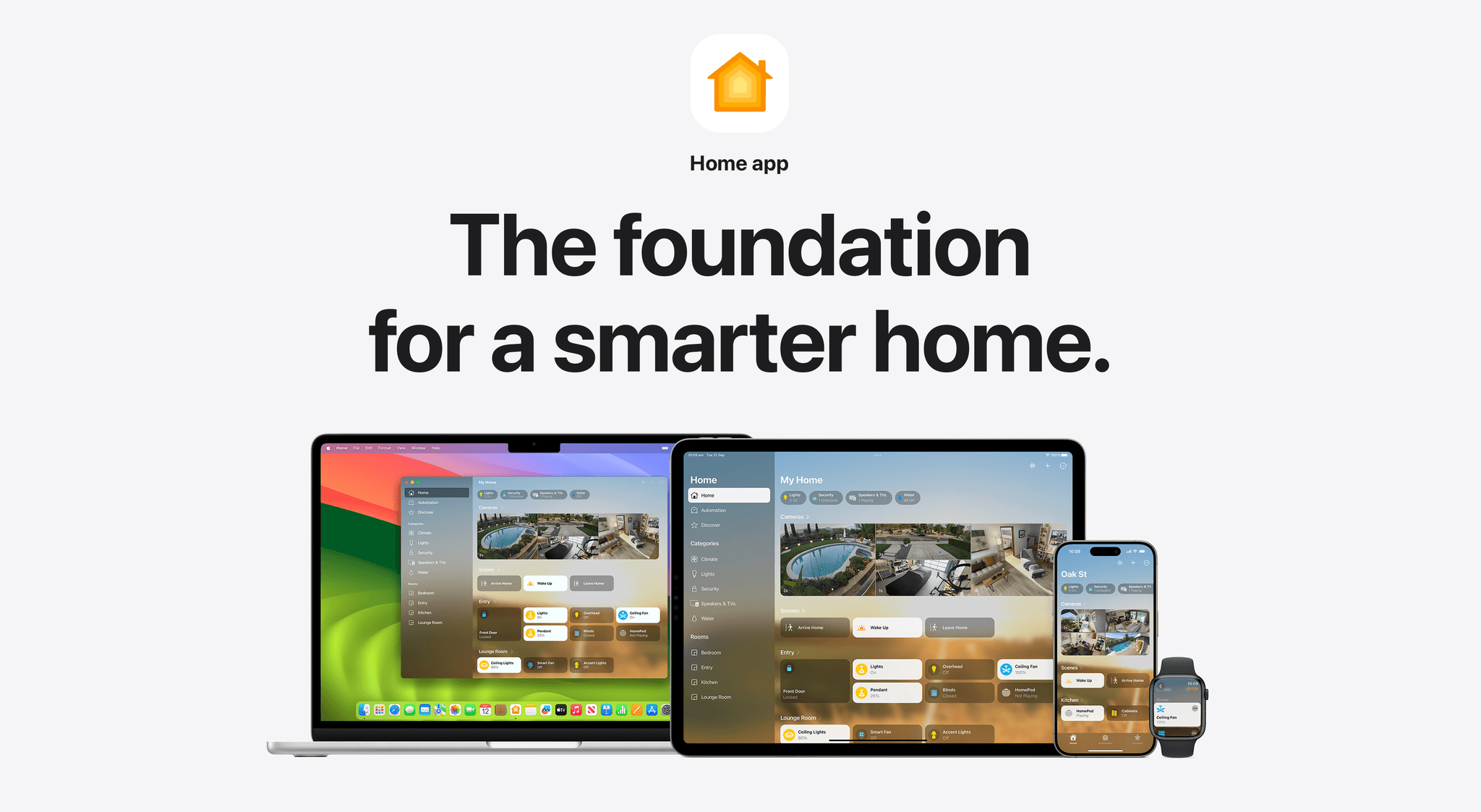
The interface a family interacts with every day is on their phone. Apple Home for most of our clients. Sometimes Google Home, sometimes Home Assistant. The lighting platform underneath has to bridge to that interface cleanly.
Lutron HomeWorks integrates with Apple Home through a HomeKit-certified bridge. The integration is functional and supported, but more limited than a native bridge. Some round-tripping between platforms is harder. Custom logic between Lutron scenes and HomeKit scenes is constrained.
For a project where Apple Home is going to be the family’s primary control surface, this is the question to think hardest about.
When Lutron is the right call.
If the architect has specified Lutron at design stage and the wider stack is built around it, we install it to the same standard we install any platform. Lutron homes that we have walked into have aged gracefully. The hardware is excellent. The brand stands behind the product.
Lutron is a clean fit when the family is firmly inside the Lutron ecosystem already, when the integrator pool is not the deciding factor, and when the front-end is going to be Lutron-native rather than Apple Home or Home Assistant.
What we specify when the decision is open.
For most Melbourne premium residential projects we are involved in at design stage, our recommendation is KNX as the wired backbone, with the architect’s choice of keypad surface on the wall. Basalte, Ekinex, Lithoss, Hager Silhouette, or Core Smart Home. DALI fixtures wired into the bus where the spec allows. Apple Home as the family-facing control surface, with Home Assistant bridging anything Apple Home cannot reach. Control4 or Basalte Home on top for anyone who prefers a dedicated app.
The reason is the open standard. KNX is an international standard governed by the KNX Association, with more than five hundred member manufacturers. The protocol cannot be changed unilaterally, the installer pool is broader, and the bridge to Apple Home is direct and well documented. Different choice, same goal: a home that holds its standard for thirty years.
This is a preference, not a rule. Lutron, KNX, and other platforms all build homes that work. The right one for a project depends on the brief.
What to do next.
If you are at design stage on a Melbourne residential project and want a clear walk-through of the lighting platform options, tell us about your project or call +61 450 342 075. The best time to make this decision is before the dimmer locations are drawn.
For the longer view on KNX as a platform, the field guide on KNX in Melbourne residential covers it in depth.
Tags